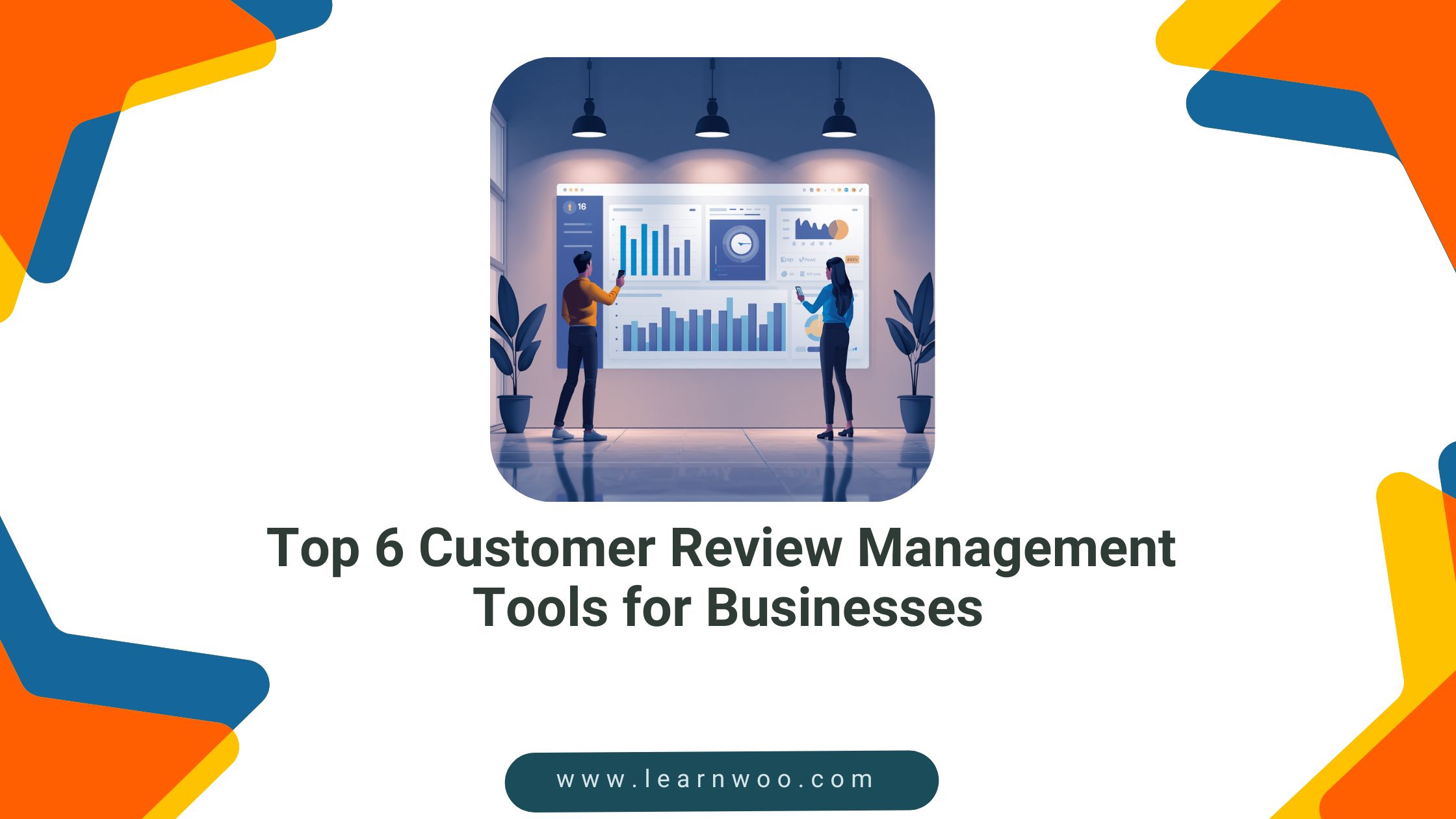
In 2026, using customer review management tools is essential.
Customer reviews have become the most essential part of your business. Online reviews and feedback, whether negative or positive, influence the perception of your brand. According to a study, it has been shown that 98% of consumers read online reviews for local businesses before making a purchase decision. So even before adding a product to cart, your audience is looking at what people who have purchased from your brand are saying about your business. This includes the quality of your products and the customer experience. So whether you’re a local e-commerce business or a SaaS company, online reviews are something that every business must look out for.
Positive reviews build credibility for your brand, but negative reviews influence the audience to shift their focus to other brands. As review volumes increase across platforms like Google, Facebook, Yelp, Trustpilot, and industry-specific directories, managing customer feedback manually becomes increasingly difficult.
This is where customer review management tools come in.
Modern review management platforms help businesses collect reviews, monitor feedback across multiple channels, respond efficiently, analyze customer sentiment, and improve their overall online reputation.
In this guide, we’ll explore the top customer review management tools for businesses in 2026!
Why Do Online Reviews Matter?
Online reviews are one of the most influential factors in a customer’s buying journey. When someone is shopping online, instead of buying a product that looks good, a consumer will first look into what the customer reviews are. Reviews are basically the online version of ‘word-of-mouth’ communication. 49% of consumers trust online reviews as much as personal recommendations from friends and family, making reviews a critical trust signal for businesses. What people have to say about your brand matters.
Reviews also provide valuable insights into customer experiences. They help businesses identify strengths, uncover recurring issues, and make data-driven improvements to products and services. Instead of relying solely on surveys, companies can leverage reviews as a continuous source of customer feedback.
Review management is no longer just about collecting positive feedback but also about responding to it. Consumers expect businesses to engage with reviews. A ReviewTrackers study found that 88% of consumers are more likely to choose a business that responds to all reviews, emphasizing the importance of active reputation management.
Why Customer Review Management Matters
Customer reviews influence more than just purchasing decisions.
Effective review management can help businesses:
- Improve brand trust and credibility
- Increase local SEO visibility
- Boost conversion rates
- Identify customer pain points
- Improve customer satisfaction
- Strengthen customer retention
- Gain valuable product and service insights
Businesses that actively monitor and respond to reviews are often perceived as more trustworthy and customer-focused than those that ignore customer feedback.
Features to Look for in a Customer Review Management Tool
When you’re searching for the best customer review management tool for your business, it’s important to look at the right features. Below are some of the features that you should look out for to find the best customer review management tools for businesses;
Multi-Platform Review Monitoring
There are several platforms that businesses must look out for; Google Reviews, Instagram, Facebook, Trustpilot, Yelp and other platforms. Tracking each of these platforms in one single dashboard will help simplify your review management.
Automated Review Requests
A good review management tool offers sending review requests through email, SMS, or messaging platforms after customer interactions. This ensures that customers feel that their opinions and experiences are valued contributing towards a good customer experience.
AI-Powered Sentiment Analysis
AI-Powered Sentiment Analyisis basically refers to an Natural Language Processing (NLP) technique which was used to extract, quantify, and categorize the emotional tone behind the data. So in terms of review, sentiment analysis would analyse whether the review is positive, negative or neutral and provide with accurate feedback. It would allow you to analyze customer feedback trends and identify recurring issues automatically.
Review Response Management
The best customer review management tools for businesses need to be able to respond to reviews from multiple platforms without switching between accounts.
Reporting and Analytics
A good review management tool would measure review performance, ratings trends, response times, and customer satisfaction metrics.
Listings Management
Listings management is basically, the process of creating, updating and maintaining consistent business information, such as, name address, phone number, (NAP), and operating hours. This is important because having consistent information across multiple directories and review platforms builds trust with customers.
Team Collaboration
Assign reviews, manage workflows, and coordinate responses across departments.
Top Customer Review Management Tools for Businesses
Managing online reviews and customer reviews can be easily managed through review management tools.
Following below are the best customer review management tools for businesses;
1. BirdEye

BirdEye is an AI-driven marketing and online reputation management platform purpose-built for multi-location businesses and enterprise brands. Part of the features that it offers is a renwned review management tool which is utilized by multi-businesses, franchises, healthcare providers and service-based businesses.
It offers review generation, listings management, social media management, customer surverys, and AI-driven insights.
Key Features
- Automated review requests via SMS and email
- AI-generated review responses
- Monitoring across hundreds of review sites
- Customer surveys
- Listings management
- Competitor benchmarking
- Multi-location reporting
Pros
- Excellent for businesses with multiple locations
- Strong automation capabilities
- Comprehensive reporting dashboard
- Advanced AI features
Cons
- Higher pricing compared to some competitors
- May be excessive for small businesses
In 2026, Birdeye was ranked as the #1 enterprise platform across multiple categories on G2 Software Reviews.
2. Podium
Podium is an AI-powered online review and reputation management tool. It provides an easy way for businesses to improve their reviews and manage responses. It is best for local businesses and service providers.
Podium combines customer communication, review generation, payments, and lead management into one platform. Its SMS-focused approach makes it particularly effective for generating reviews immediately after customer interactions.
Key Features
- Text-based review requests
- Unified inbox
- Customer messaging
- Payment collection
- AI-powered customer interactions
- Website chat
Pros
- Easy review collection process
- High SMS engagement rates
- Simple interface
- Strong customer communication tools
Cons
- More communication-focused than analytics-focused
- Advanced features can increase costs
3. ReviewTrackers
As the name suggests, Review Trackers is an customer feedback software that helps businesses transform the customer experience. It helps businesses focus on reputation analytics and local SEO.
ReviewTrackers emphasizes customer feedback analysis, reputation monitoring, and local search optimization.
Key Features
- Review monitoring
- Competitor analysis
- Local listings management
- Customer experience analytics
- Sentiment analysis
- Custom reporting
Pros
- Strong reporting capabilities
- Excellent local SEO insights
- User-friendly dashboard
- Good enterprise functionality
Cons
- Limited customer communication tools
- Premium features can be costly
4. Reputation.com
Reputation.com is an AI powered online reputation management platform which converts review and feedback into actionable insights. It can be utilised by large enterprises and regulated industries in specific. The platform is one of the most comprehensive reputation management platforms which are available today. It combines reviews, surveys, listings management, customer experience monitoring, and competitive intelligence.
Key Features
- Review management
- Surveys and feedback collection
- Listings management
- Competitive analysis
- AI-powered insights
- Enterprise reporting
Pros
- Enterprise-grade capabilities
- Strong analytics
- Comprehensive customer experience tools
- Advanced AI functionality
Cons
- Higher pricing
- Learning curve for smaller teams
5. Trustpilot

Trustpilot is a reliable platform for consumer reviews and offers multiple services for businesses. It is best for brands that are seeking public-facing trust and credibility. It provides consumers the opporutnity to provide their insights into their experiences with brands. It allows businesses to improve their online reputation as well.
Trustpilot is one of the most recognized review platforms globally. In addition to collecting reviews, businesses gain a public profile where customers can evaluate their experiences.
Key Features
- Review invitations
- Public business profiles
- Review widgets
- Analytics dashboards
- Reputation monitoring
Pros
- Strong consumer recognition
- SEO benefits from public review profiles
- Easy review collection
Cons
- Less comprehensive than dedicated reputation platforms
- Focused primarily on Trustpilot reviews
6. Yotpo

Yotpo is a cloud-based e-commerce retention marketing platform which would help businesses in increasing business’ growth. The platform specializes in helping online businesses collect customer content and build brand loyalty. it is best for eCommerce businesses.
Yotpo specializes in customer reviews, ratings, user-generated content, loyalty programs, and SMS marketing. It integrates seamlessly with major eCommerce platforms.
Key Features
- Product reviews
- Photo and video reviews
- Loyalty programs
- SMS review requests
- User-generated content
Pros
- Built specifically for eCommerce
- Strong Shopify integration
- Excellent visual review capabilities
Cons
- Less suitable for service businesses
- Pricing increases as stores scale
What are the Future Trends in Online Review Management?
Managing reviews is slowly gaining traction amongst businesses. Organizations are quickly realizing that prioritizing customer experience is key to ensuring that consumers return to your store.
Some emerging trends include:
AI-Generated Review Responses
Businesses are increasingly using AI to generate personalized responses at scale. This makes each and every online reviews are addressed quickly according to the brand’s tone of voice, language and values.
Sentiment Intelligence
Utilising AI to understand customer emotions and recurring concerns will provide businesses with clarity on how to improve your responses, your products and make corrections where-ever necessary.
Voice-of-Customer Analytics
Businesses are leveraging reviews as a primary source of customer insights.
Review Fraud Detection
As fake reviews become a larger concern, platforms are investing heavily in authenticity verification.
Omnichannel Reputation Management
Review management is expanding beyond review sites to include social media, messaging apps, and community platforms.
To Sum Up
Customer reviews impact businesses directly. In a world where a business’s success depends on its reputation, it’s crucial to invest in the right online customer review management tools. Reviews can impact your business’s visibility, the customer’s trust and revenue as well. By investing in the right review management software, you can simplify processes considerably. By automating review collection, strengthening customer relationships, improving your page’s local SEO, and gaining valuable customer insights, you can ensure how that business’ online reputation stays intact and secure.
Based on the above-mentioned tools, you can choose what would work best for your store, according to its requirements. The best tool ultimately depends on your business size, industry, customer engagement strategy, and long-term reputation goals.
FAQS
1. What is a customer review management tool?
A customer review management tool helps businesses collect, monitor, respond to, and analyze customer reviews across multiple platforms.
2. Do review management tools improve SEO?
Yes. Consistent reviews, higher ratings, and active responses can positively influence local search visibility.
3. Can AI help manage customer reviews?
Modern platforms use AI to generate review responses, analyze sentiment, identify trends, and automate workflows.
4. Are review management tools worth the investment?
For most businesses, yes. Improved customer trust, better visibility, and enhanced customer experience often justify the cost.